The Gap That Became a Gold Mine
Picture a sweltering afternoon in Hyderabad. A college student craves an ice-cold mango slush. Her father, sitting beside her, wants a steaming glass of masala chai. A traditional beverage outlet serves one. A juice bar serves the other. They end up at two different places — and a business opportunity is quietly missed.
That gap is the heartbeat of a new kind of venture shaking up India’s ₹2.5 lakh crore beverage market: the Hot + Cold Hybrid Beverage Bar. And leading this conversation is the concept of the Superstar Beverages model — a single, well-designed counter that serves everything from piping hot filter coffee to icy cold slushies, frappes, and lemonades, all under one distinctive brand.
This isn’t just a cool idea. It’s a response to the ground realities of Indian consumer behaviour, real estate economics, and an exploding middle class that refuses to compromise on variety, speed, or experience.
India’s Beverage Market: The Numbers That Matter
Before diving into the business case, here’s a snapshot of the market opportunity:
- ₹2.5 Lakh Crore — India’s total beverage market size (2024)
- 18% CAGR — Annual growth rate of organised beverage outlets
- 500 Million+ — Millennials & Gen Z — India’s thirstiest demographic
- 3× Revenue Multiplier — Uplift when hot & cold menus are combined at one outlet
- 12 Months — Average payback period for a well-run hybrid beverage kiosk
- 28% YoY Growth — Organised café chains, 2022–2024
Why the Hybrid Model Works in India Specifically
The Indian subcontinent is unique in its climatic diversity. Rajasthan hits 48°C in May; Shimla drops to -5°C in January. Even within a single city, mornings can feel cold and afternoons sweltering. Traditional beverage businesses built around a single temperature range automatically lose half their potential business half the time.
The hybrid model resolves this completely. A Superstar Beverages outlet in Pune can serve a hot ginger chai to a commuter at 7 AM and a chilled passion fruit slush to a student at 2 PM — same counter, same staff, same branding. The economics become dramatically more attractive.
“The Indian consumer no longer walks into a stall with just one craving. They walk in with three. The brand that can say YES to all three — wins the day.”
The Hot Side: India’s Ritual Drink Culture
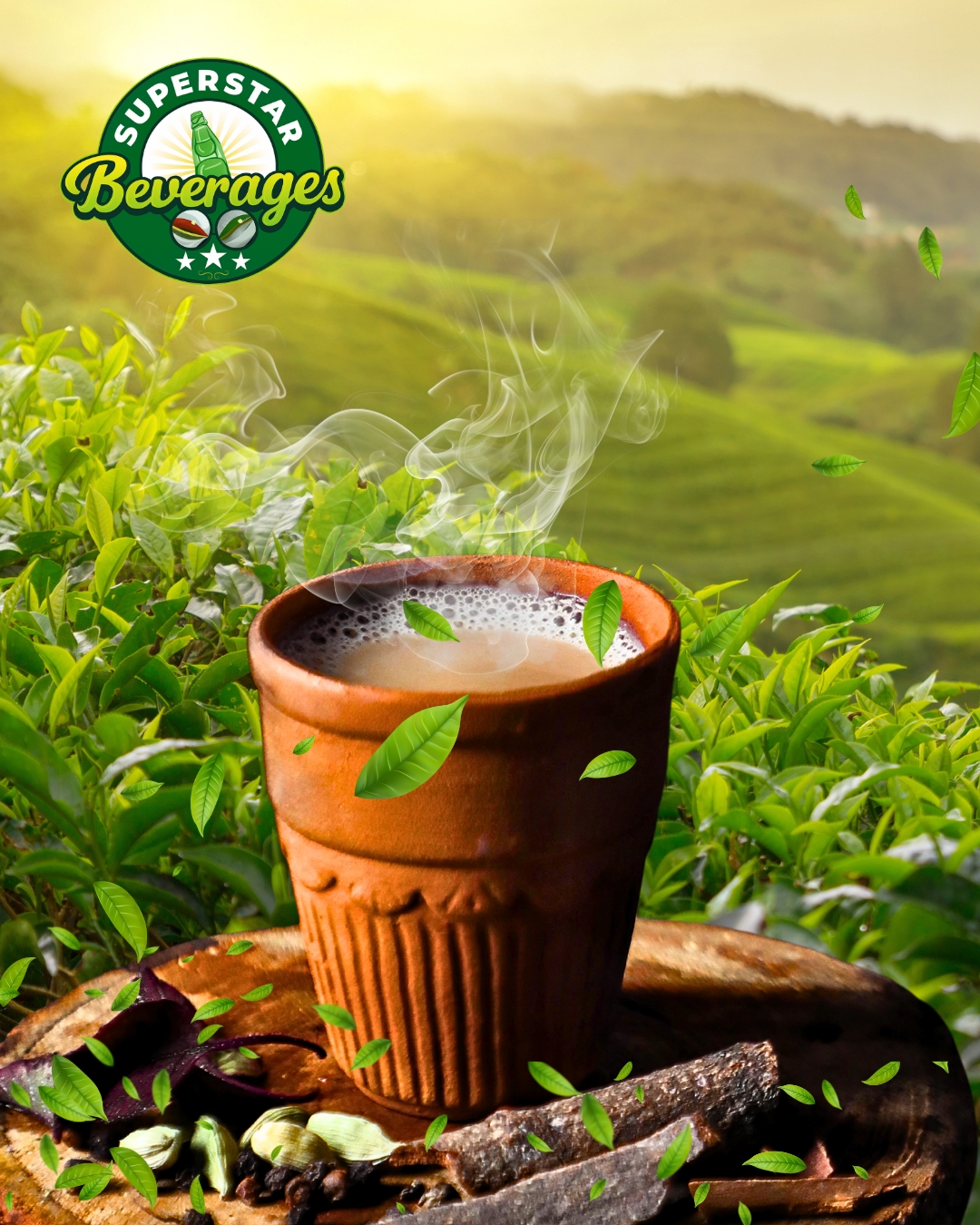
India has a deep, cultural relationship with hot beverages — from sunrise chai to post-lunch filter coffee. Hot drinks aren’t just beverages; they’re rituals. The organised hot beverages segment is growing at 14% CAGR. Key offerings include:
- Masala Chai — the 800 crore cup market
- South Indian Filter Coffee
- Badam Milk & Haldi Doodh (Turmeric Latte)
- Instant Cappuccinos & Americanos
- Hot Cocoa & Kashmiri Kahwa
- Herbal Infusions (Tulsi, Ginger, Lemon)
Typical margins on hot beverages: 70–80% gross margin. Chai at ₹30–50. Filter Coffee ₹40–60. Premium Kahwa ₹70–100.
The Cold Side: India’s Year-Round Thirst
India’s year-round warm climate makes cold beverages a daily necessity, not a seasonal indulgence. The cold drinks segment is the fastest-growing in F&B retail, fuelled by urbanisation and rising disposable incomes. Key offerings include:
- Fresh Fruit Slushies & Granitas (Mango, Watermelon, Kiwi)
- Cold Brew Coffee & Nitro Brews
- Boba / Bubble Tea (highest trending in metros)
- Iced Lemonades, Jaljeera, & Aam Panna
- Frappes, Milkshakes & Smoothies
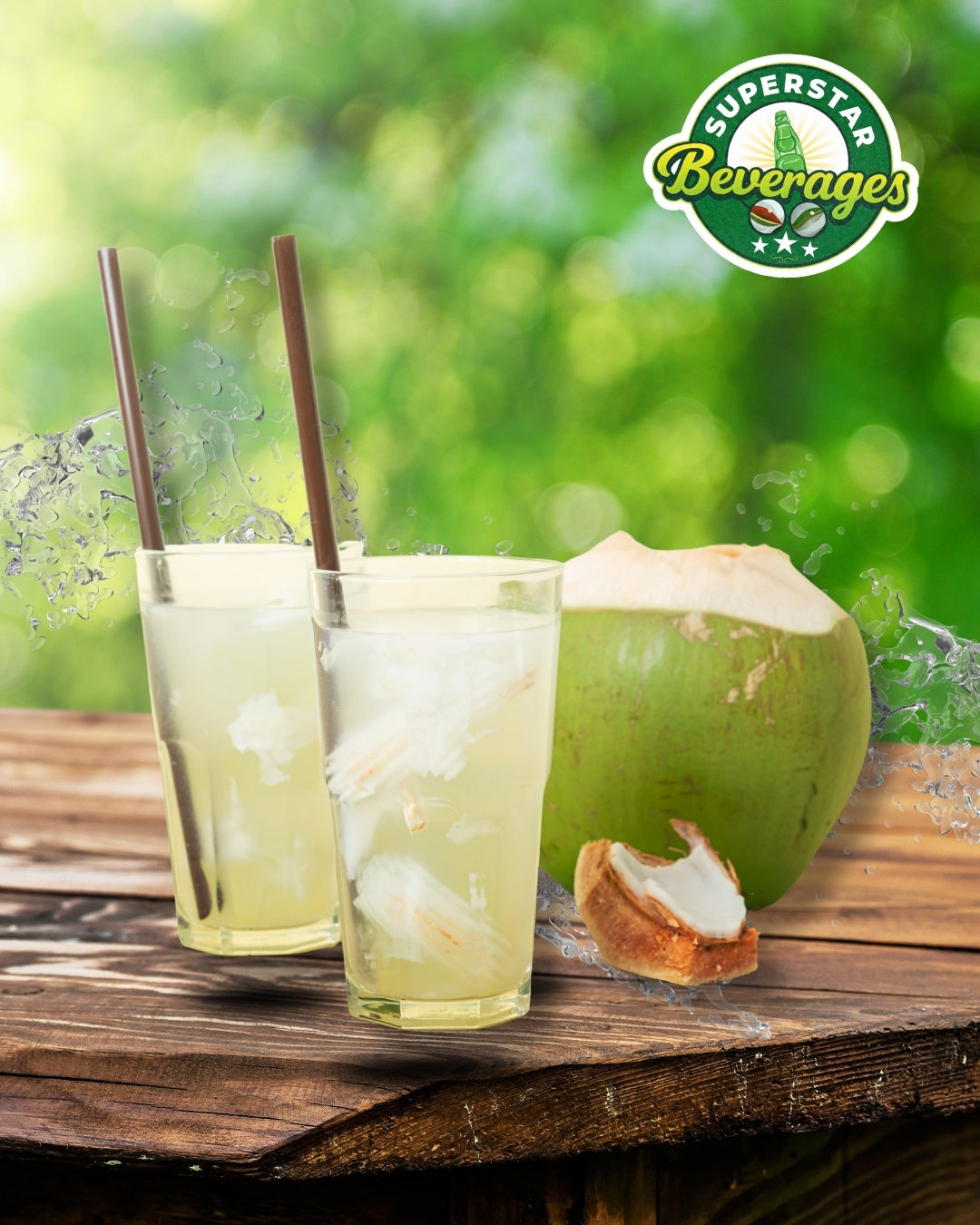
- Tender Coconut Blends & Lassi
Typical margins on cold beverages: 60–75% gross margin. Mango Slush ₹50–80. Boba Milk Tea ₹90–140. Nutella Frappe ₹100–150.
The Kiosk Revolution: Low Investment, High Returns
One of the most exciting developments driving the hybrid model is the rise of the compact kiosk format. Unlike full-service cafés that demand ₹15–30 lakh in setup costs and 1000+ sq ft of space, a hybrid beverage kiosk can be launched for ₹3–7 lakh in under 150 sq ft.
Best locations for a hybrid beverage kiosk:
- College & university campuses
- IT/Tech park food courts
- Railway & metro stations
- Shopping mall entry zones
- Hospital & clinic corridors
- High street market corners
Branding: The ‘Superstar’ Positioning
The word Superstar in Indian consumer culture carries enormous emotional weight — it suggests aspiration, boldness, and a certain theatrical confidence. A beverage brand using this positioning communicates that your daily drink deserves to feel special, not mundane.
Key branding pillars for a Superstar Beverages outlet:
- Bold, recognisable signage with unified colour system (fire tones + cool blues)
- Trained staff in branded uniforms
- Clean, consistent menu board — no clutter
- Branded cups, straws, and packaging that customers want to photograph
- A clear brand tagline: ‘Whether you want fire or ice, we’ve got your flavour’
6 Market Forces Making This the Right Time to Act
Six powerful tailwinds are converging to make the hybrid beverage business a once-in-a-decade opportunity in India:
1. India’s Café Culture Boom
Organised café chains grew 28% YoY from 2022–2024. The market is proven — but dominated by expensive foreign brands, leaving massive gaps for affordable, bold local alternatives.
2. The Vernacular Beverage Renaissance
Post-pandemic India rediscovered local drinks: Sattu, Bael sherbet, Rose Milk, Jal Jeera. A Superstar outlet celebrating these alongside trendy cold brews occupies a unique cultural sweet spot.
3. QSR Franchise Hunger
India has 1.2 million+ aspiring entrepreneurs seeking sub-₹10 lakh franchise opportunities. A proven hybrid beverage concept with brand, training, and supply chain is exactly what this market needs.
4. Year-Round Revenue
A dual hot-cold menu means Q1 summer revenues (cold drinks) are matched by Q4 winter revenues (hot drinks). No dead months. No inventory waste. Consistent, predictable cash flow.
5. Social Media Virality Built In
A beautifully designed counter with steaming chai on one side and a glowing cold slush on the other is inherently Instagrammable. Early beverage brands have gained 100K+ followers purely through visual content.
6. Health & Wellness Wave
Fresh cold-pressed juices, immunity-boosting turmeric lattes, and no-sugar slushies allow a Superstar outlet to tap the fastest-growing F&B health segment without a separate business.
6-Step Strategy to Build Your Superstar Counter
Step 1: Design the Experience First, Menu Second
The most successful beverage outlets in India win on atmosphere before they win on taste. Invest in branding — a bold logo, consistent colours, clean typography. Make your counter a destination, not just a stall. Customers who feel proud to be seen at your counter become your best marketing asset.
Step 2: Curate a Tight Menu of 16–20 Drinks
Resist the temptation to offer 50 drinks. Eight well-chosen hot drinks and eight cold drinks — each executed perfectly — will outperform a sprawling 60-item menu every time. Focus on your region’s taste preferences. A Chennai outlet should nail filter coffee; a Delhi outlet must perfect masala chai. Then layer global trends like boba and cold brew on top.
Step 3: Invest in the Right Equipment
A dual-system counter needs professional-grade equipment: a high-speed commercial blender (for cold drinks), an induction chai maker (for hot), a slush machine, and a compact espresso setup. Budget ₹1.2–2 lakh for core equipment. Skimping here directly impacts drink quality and speed — and speed is everything in high-footfall locations.
Step 4: Price for Aspiration, Not Just Affordability
Indian consumers associate price with quality. A chai at ₹25 signals ‘street stall.’ A chai at ₹50 in a branded cup signals ‘this is good.’ Price strategically — keep 3-4 accessible options but introduce premium signature drinks at ₹120–180. These hero products drive brand perception even if they aren’t your volume sellers.
Step 5: Build a Loyalty Loop from Day One
Launch with a simple stamp-card or WhatsApp-based loyalty system. A customer who returns 5 times is worth 50× a one-time visitor. Beverages are habit-forming purchases — morning chai, post-lunch cold coffee. Lock customers into a daily ritual early and your business becomes almost recession-proof.
Step 6: Scale Through Franchise — Not Owned Outlets
India’s real estate market makes company-owned expansion slow and capital-intensive. The smarter path for Superstar Beverages is franchising. Standardise your recipes, supply branded inputs, charge a franchise fee of ₹1.5–3 lakh, and let passionate local entrepreneurs replicate your model. This scales at zero incremental real estate cost.
The Bottom Line
India’s beverage market is at an inflection point. The country has the ingredients for a beverage revolution: a massive population of young, aspirational consumers; year-round warm weather; deep cultural ties to both hot chai and cold sherbets; and a serious hunger for organised, trustworthy local brands.
The entrepreneurs who move boldly now — building brands, not just stalls — will own the next decade of this industry. The hybrid hot-cold beverage bar isn’t a niche concept. It’s the future of everyday beverage retail in India.